If a visitor asks where to find something beautiful and indoors in the middle of Manchester, the John Rylands Library on Deansgate is one of the first places to suggest. It is a Victorian Gothic building that looks like a cathedral and works as a library. You can fit it into a city centre day without a plan built around it.
This guide covers how to find it, what to look at once you are inside, how long to give it, and what to do nearby.
Why this library is one of the first things locals point visitors to
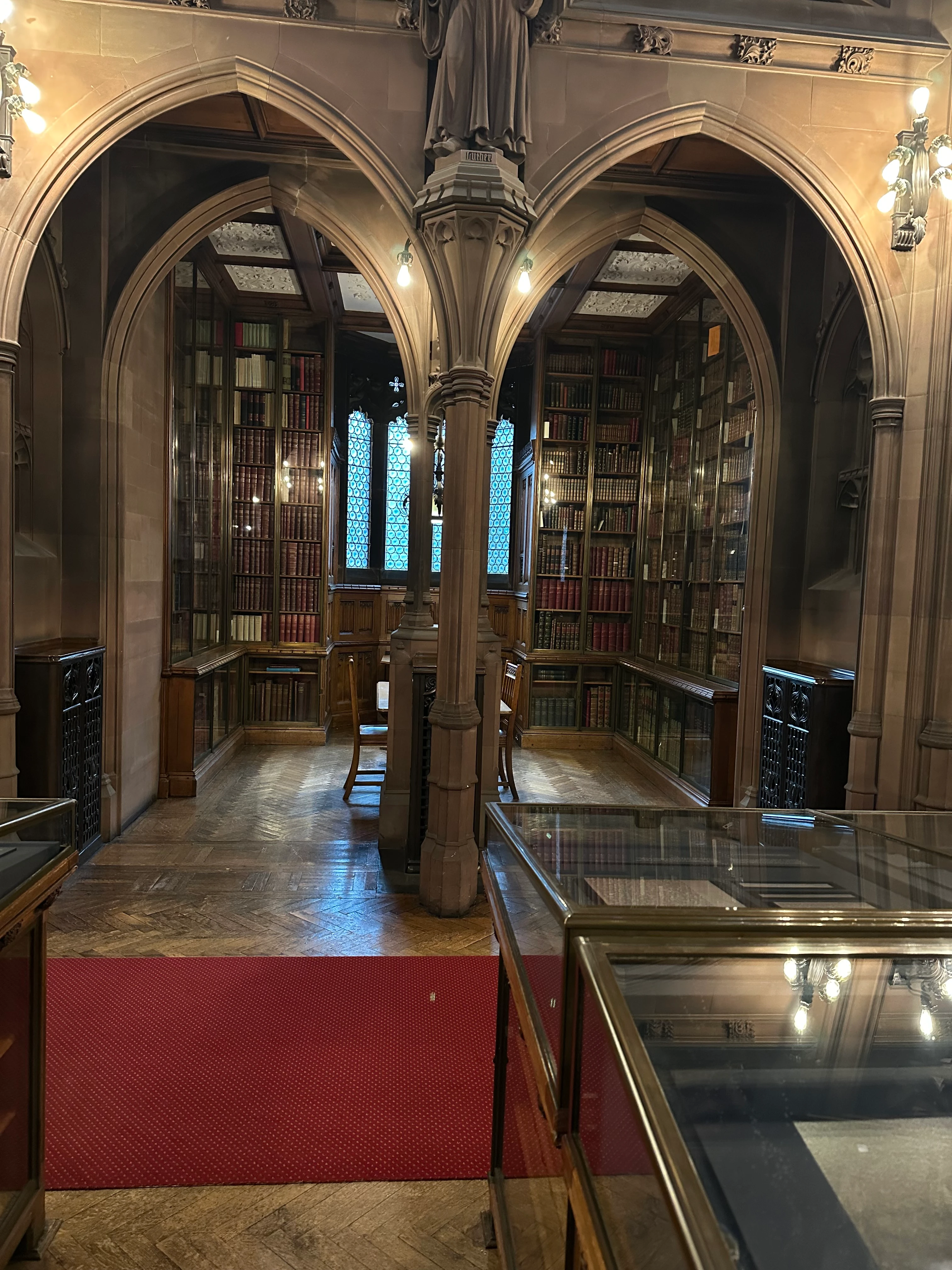
The John Rylands Library opened in 1900 and was founded by Enriqueta Rylands in memory of her husband, John Rylands. It is now part of the University of Manchester Library, which means it is a working library as well as a place to visit.
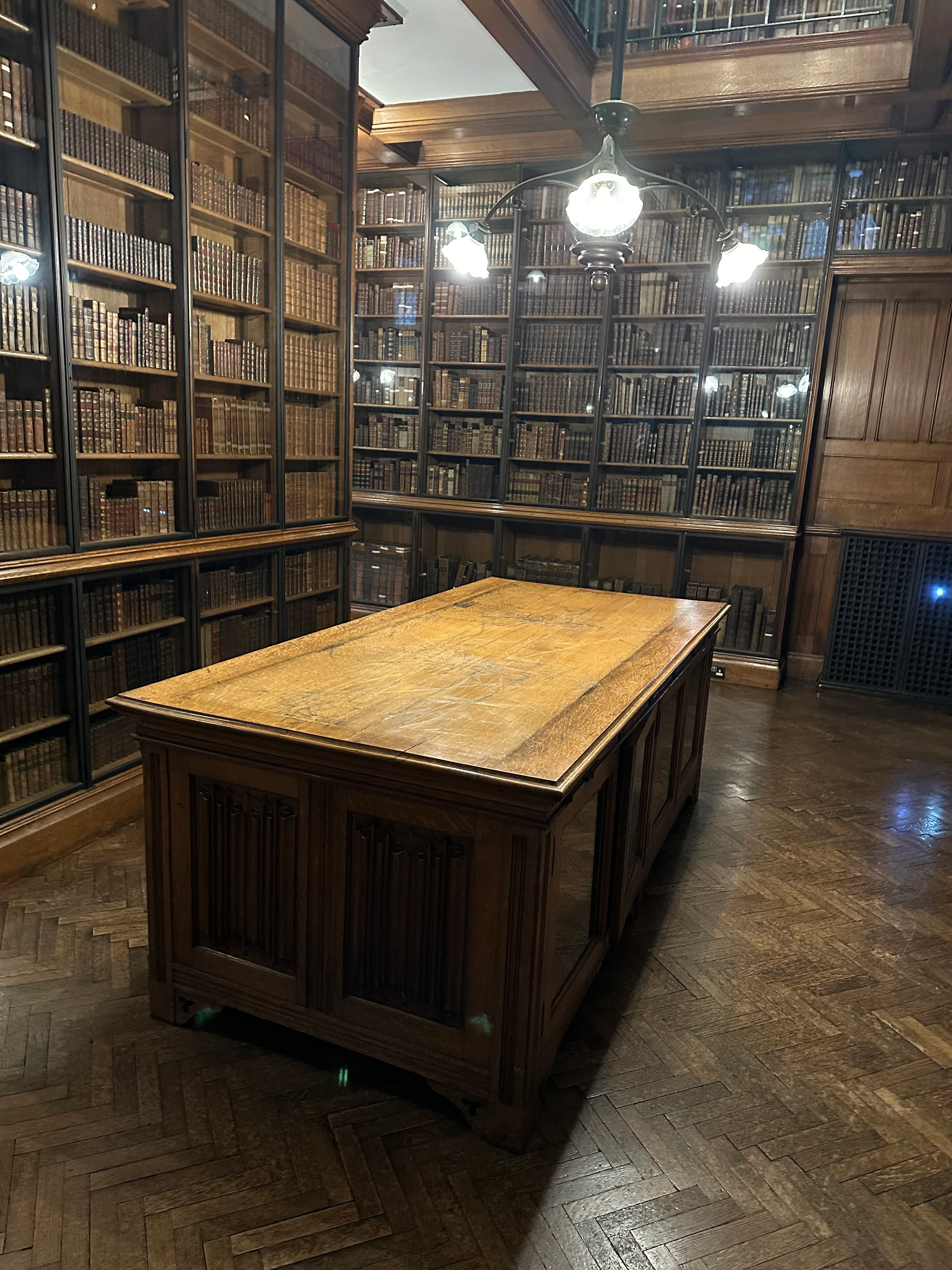
The appeal for a visitor is simple. The building is striking from the pavement, even more striking inside, and small enough to see without committing a whole day. It suits rainy weather, a gap between other plans, or a trip where you want one calm, good-looking stop among the shopping and the football.
It also works for a mixed group. People who love architecture, people who love books and people who just want a few good photos all get something out of the same visit.
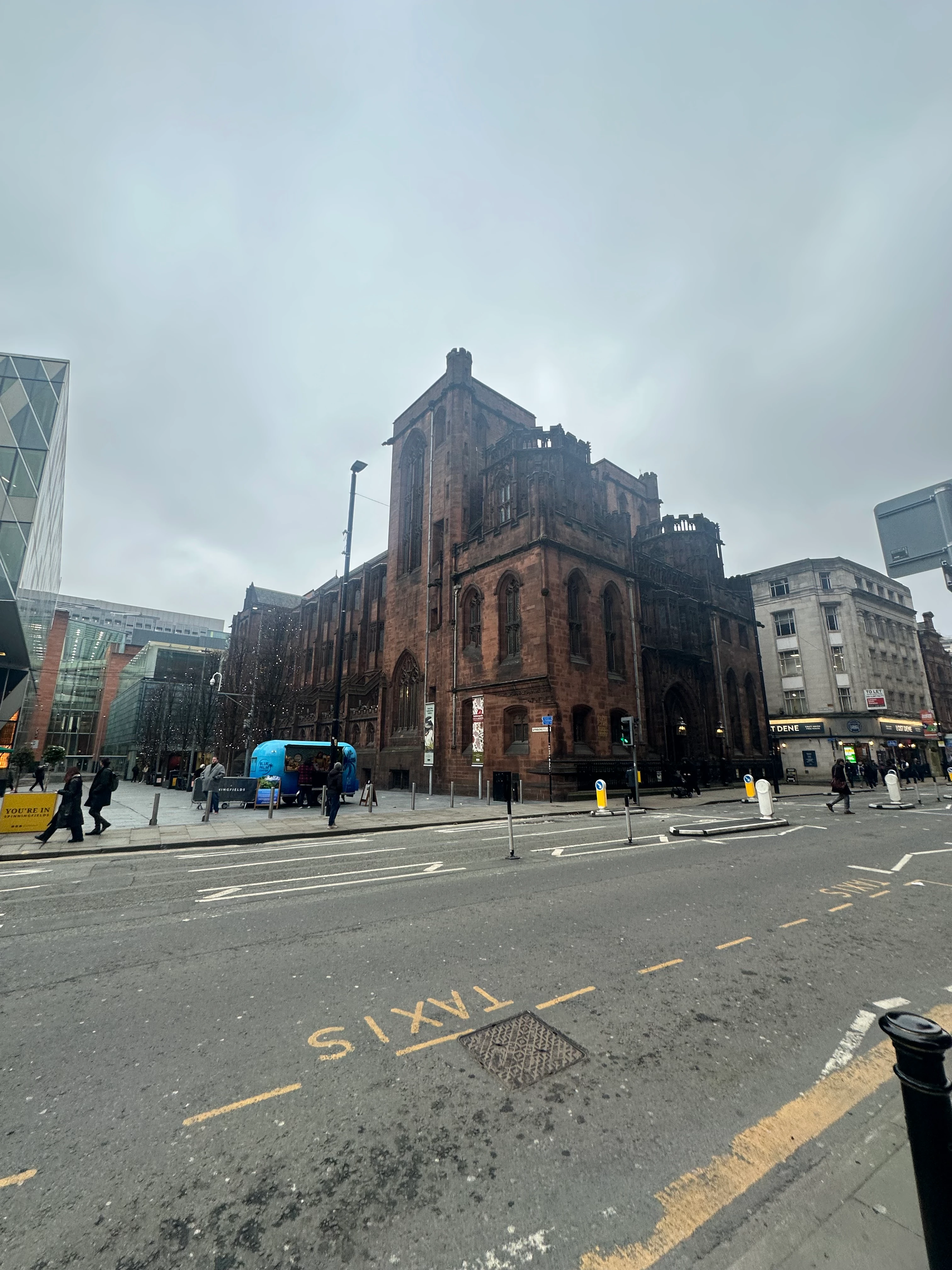
Finding it on Deansgate and getting there from the centre
The library sits on Deansgate, one of the main roads running through the city centre. That makes it easy to reach from most places you are likely to be staying or sightseeing.
- On foot: From the Albert Square and St Peter’s Square area, it is a short walk along or just off Deansgate. Most central hotels are close enough to walk, and walking lets you see the street on the way.
- By tram: Metrolink stops in the centre, including St Peter’s Square and Deansgate-Castlefield, put you within walking distance. Check the live route map for your own starting point.
- By train: From Piccadilly or Victoria, a tram or a taxi into the centre is the simplest way. From Deansgate station, you are already on the street.
Look for the Gothic frontage with its pointed windows and decorative detail. It stands out from the shops and offices around it, so you are unlikely to walk past it by accident. Your phone’s map will get you to the right door.
What to look for inside: the reading room, the staircase and the details worth slowing down for
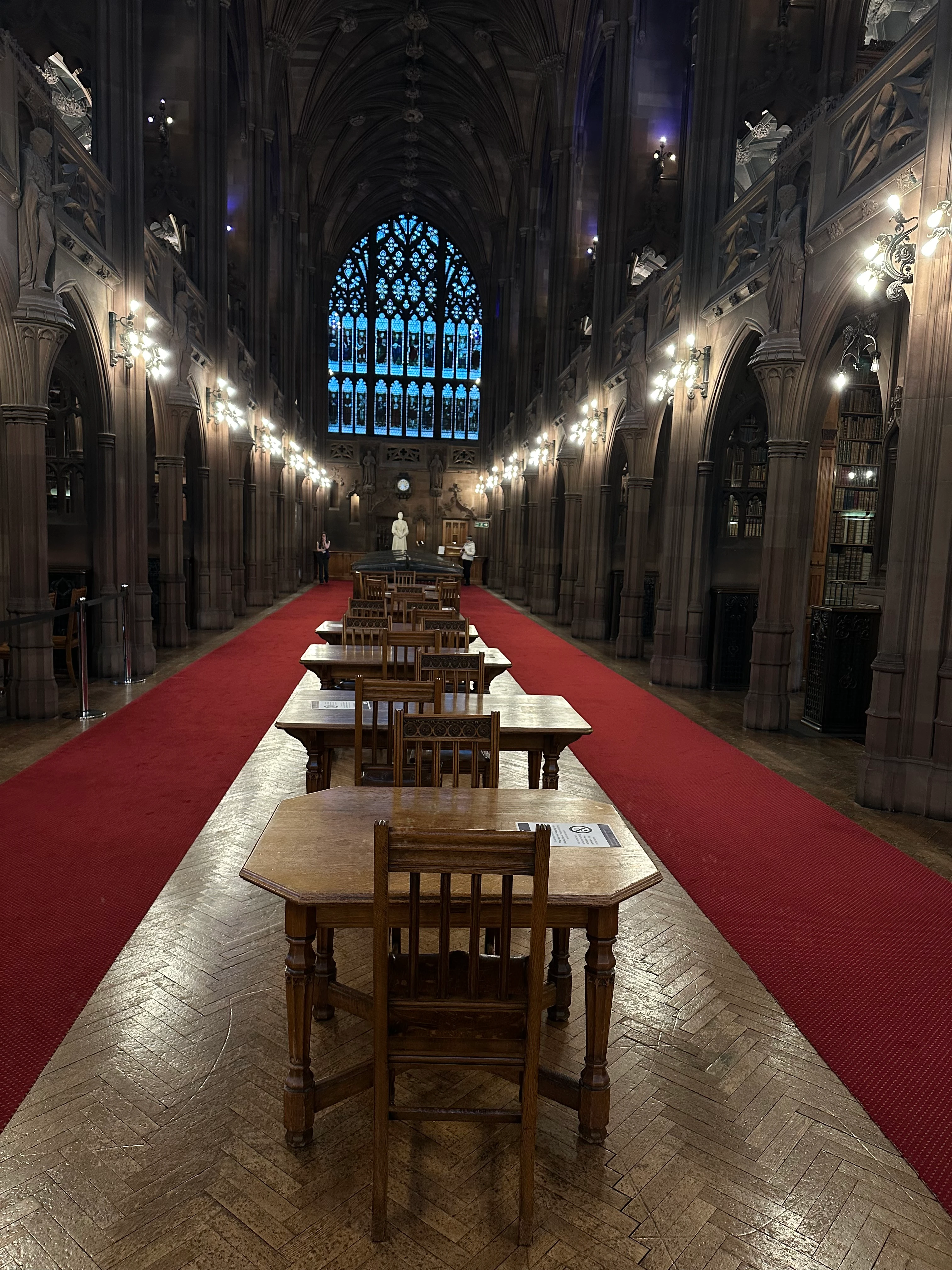
The headline attraction is the Historic Reading Room, a long, high hall in the Gothic style with a vaulted ceiling, arched windows and rows of reading desks. Go in, stop just past the threshold and look up before you do anything else. The proportions are the point.
Once you have taken in the whole room, slow down and look at the parts.
- The ceiling and arches. The stonework and ribbing are the reason the room looks like a church. Follow the lines of the arches from the floor up to where they meet.
- The windows. Stained glass and tall window frames let light fall across the room in different ways depending on the weather and the time of day. A visit on a grey day and one on a bright day look quite different.
- The statues and carved detail. The room has statues and decorative carving that are easy to miss if you only look straight ahead. Walk the length of the hall and look at the corners and the edges.
- The reading desks and lamps. These are the details that remind you the room is still a library. Notice how the furniture is laid out and how the lamps sit along the desks.
- The staircase. The way you move through the building is part of the experience. Take the stairs slowly. The sense of arriving somewhere grand builds as you climb.
The library also holds collections of rare books, manuscripts and archives that are part of the University’s holdings. What you can see of them depends on what is displayed during your visit, which is covered below under exhibitions.
The best spots for photos you will want to post
This is a good building for Instagram, and a few positions give you the strongest shots.
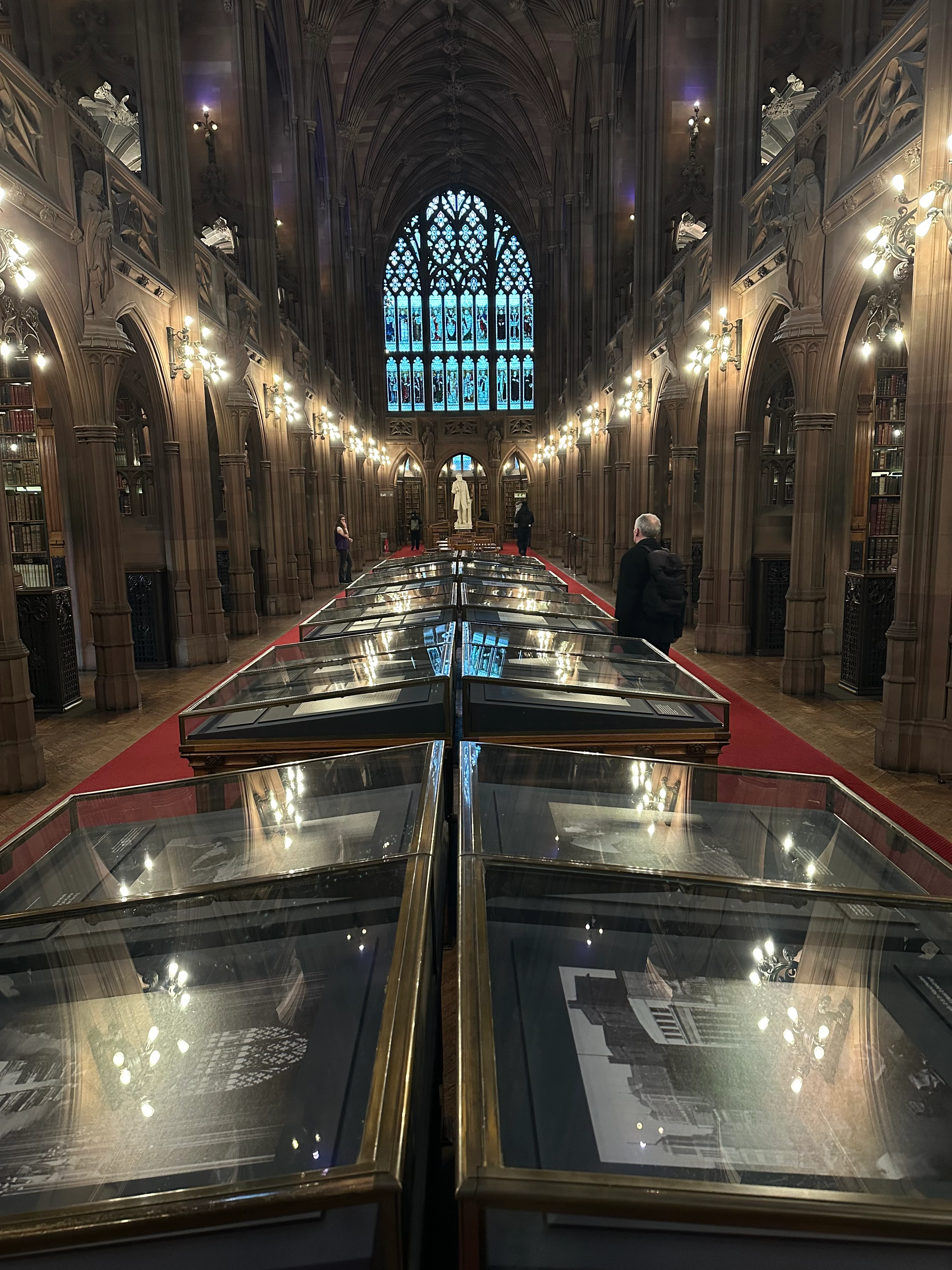
- Standing at the entrance of the reading room. Looking down the full length of the hall gives you the symmetry and the vaulted ceiling in one frame. It is the picture most people want.
- Looking straight up. A shot of the ceiling and arches works well on its own, and it is a good way to show the scale.
- On the staircase. The curve and the stonework make a good vertical shot, which suits a phone and an Instagram post.
- Windows and light. Close shots of the stained glass and tracery look good when the light is coming through.
- Details of the carving. Small, close images of stone and woodwork make a good set of slides alongside the wide ones.
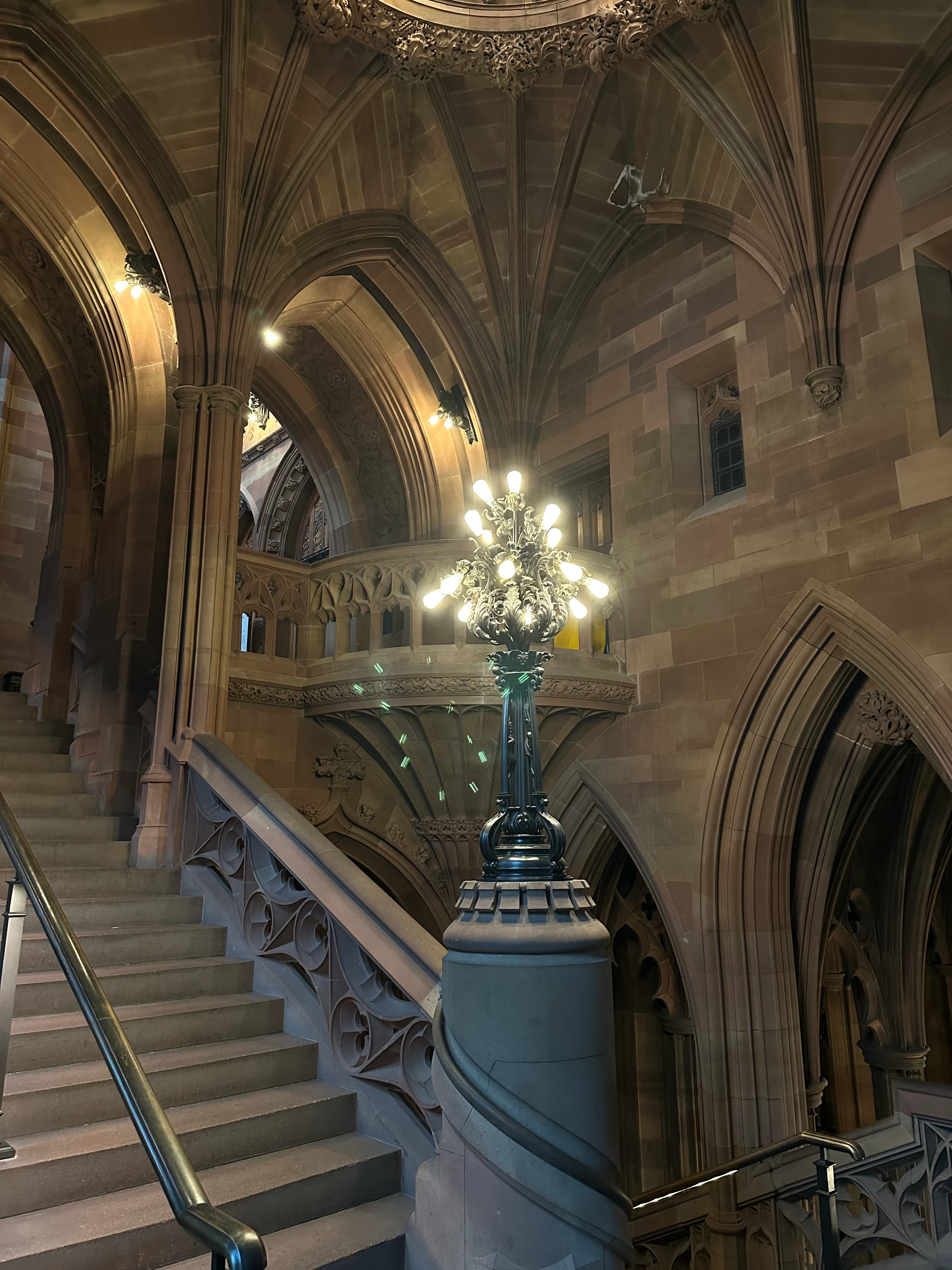
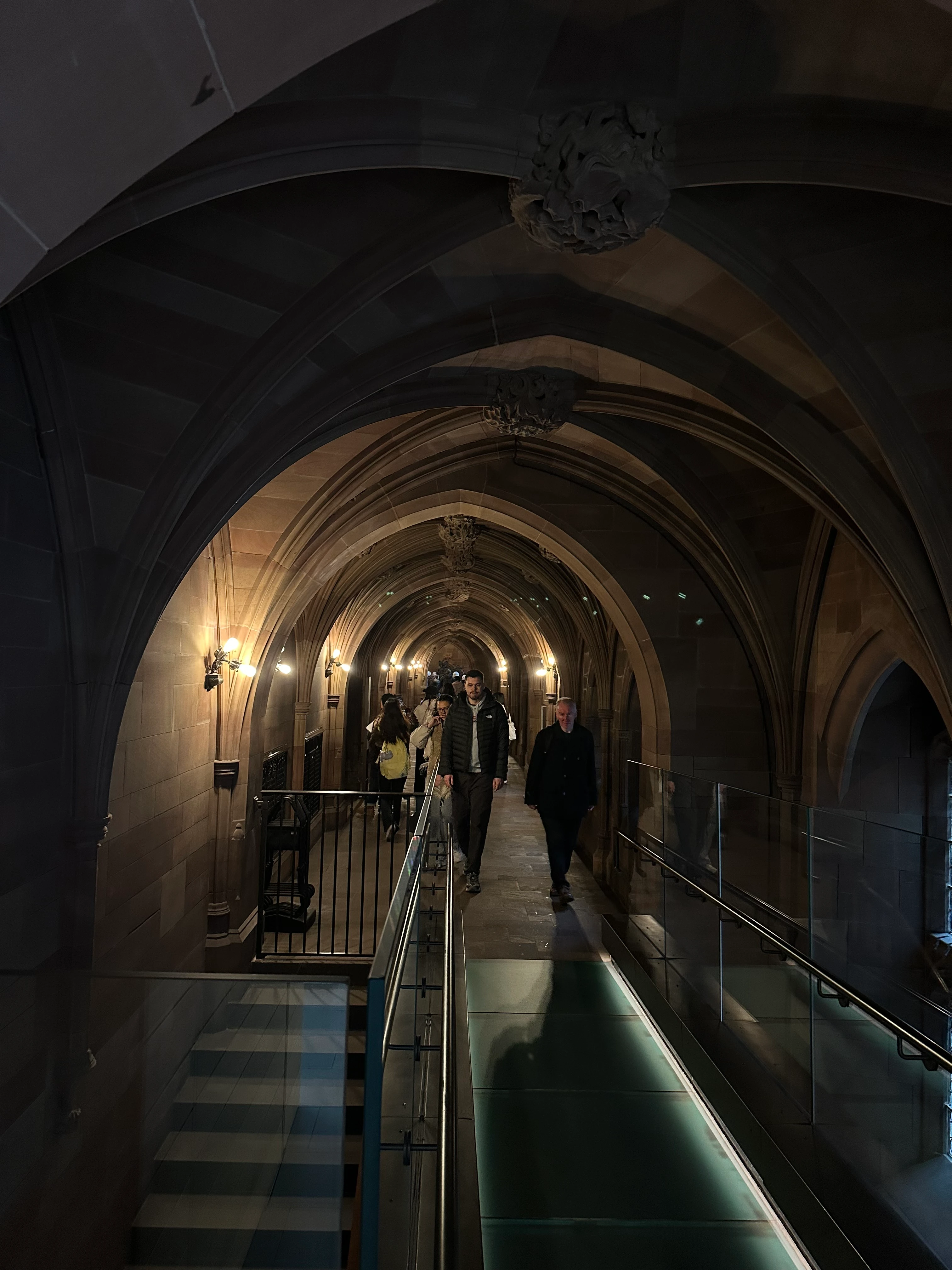
The room is quiet because people are working and reading. Keep your voice low, keep your phone on silent and stay aware of other visitors in the frame. Check the photography rules when you arrive, since policies in a working library can differ between areas and can change.
How long to allow and where it slots into a city centre day
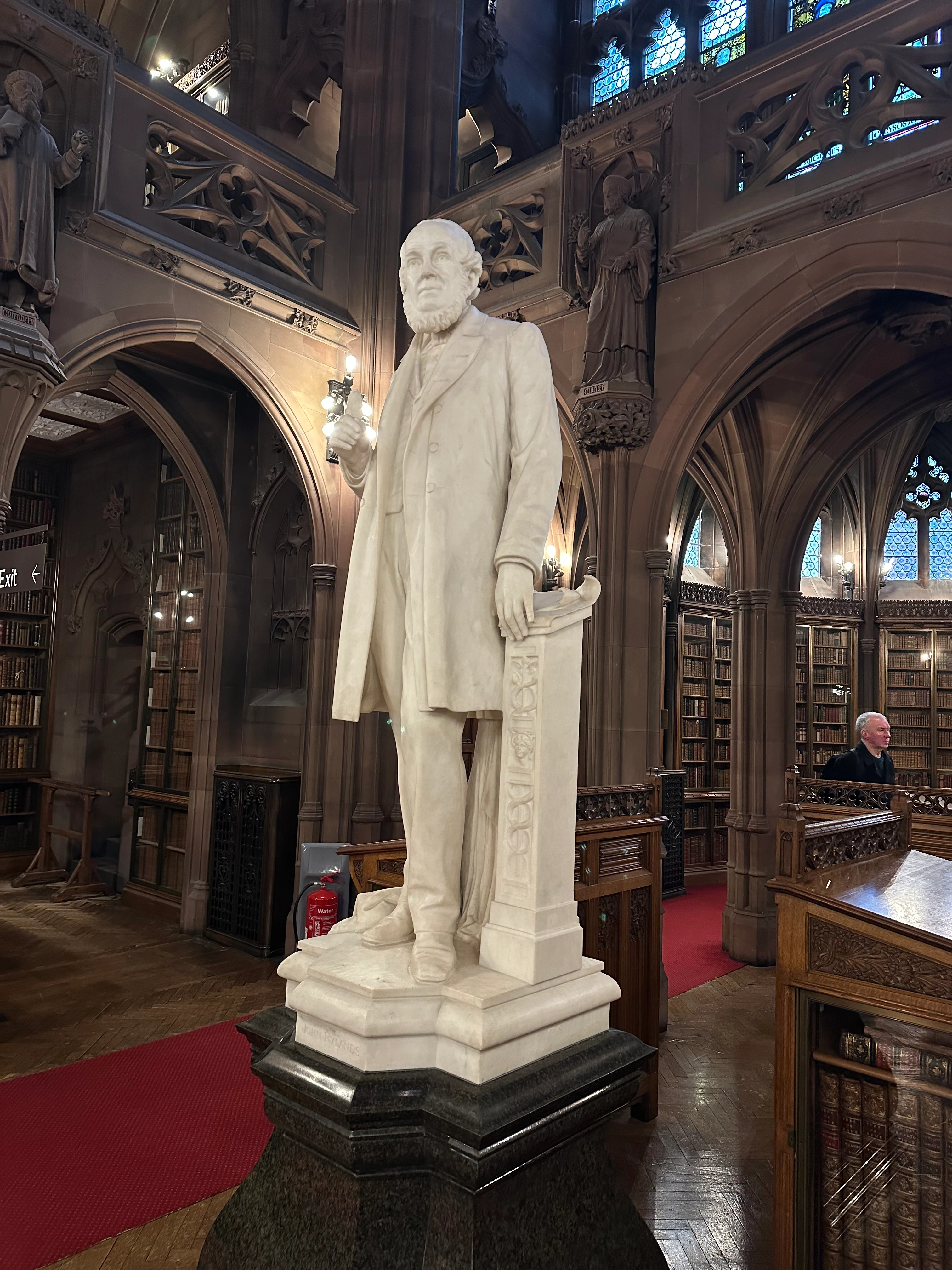
Forty-five minutes to an hour is a comfortable visit if you want to see the reading room properly, take photos and look at any display that is on. If you enjoy architecture and like to read the information panels, give yourself a little more. If you only want the main hall and a few pictures, you can do it in less.
That size makes it easy to place in a day.
- Morning: Go near opening time when the building tends to be quieter, then move on to shopping or lunch.
- Between other plans: It fits neatly between a museum visit and an afternoon meal. If you are putting together an indoor day, you could pair it with Manchester Museum, which takes a bit longer and sits in a different part of the city.
- Wet afternoon: It is a good fallback when the weather changes your plans.
Because it is compact, you can combine it with a walk through the centre rather than building the whole day around it.
Check before you go: opening times, entry details and any exhibitions on
Opening hours, entry arrangements and exhibitions at the library can change, and a university library may adjust access around events, holidays and term time. Check the official John Rylands Library page on the University of Manchester website before you set out, so you are working from current information rather than a guess.
Things to confirm:
- Opening days and hours for the date you plan to visit.
- Entry details, including whether you need to book a ticket or a time slot.
- Exhibitions and displays currently on, since these are a good reason to allow extra time.
- Accessibility information, if anyone in your group needs step-free access or other support.
- Photography and bag rules for the reading room.
A two-minute look at the official page saves a wasted trip, and it lets you decide whether a current exhibition changes how long you want to stay.
What to do next door: coffee, lunch and a stay nearby, including The Rex
Deansgate and the streets around it have plenty of cafés, bars and restaurants, so you do not need to plan a meal in advance. Walk a few minutes in any direction from the library and you will find somewhere for a coffee after the visit or a sit-down lunch. Spinningfields, the business and dining district close by, has a large choice of restaurants if you want something more substantial.
If you are looking for a place to stay in this part of the city, The Rex is worth a look. It was previously known as Hotel Gotham, and it now includes Reign restaurant and the Reserve rooftop venue. That means a meal, a drink and a room can all be under one roof, which is handy after a day of sightseeing. Check current room details and rates directly before you book, as they change.
A good simple route for the day is the library in the morning, a coffee or lunch on Deansgate, and an afternoon of wandering through the centre, ending with dinner at your hotel or a restaurant nearby.
Planning where to stay near Deansgate? See our picks in The 5 Best Hotels in Manchester, Picked by the Kind of Trip You’re Planning.
Leave a Reply